


In 2026 we are running the Funding for School Eco-Projects programme again and are inviting applications to be submitted by 31st October 2026. We ask that the school projects help children learn about nature and our environment and why this is important.
The funding for this programme comes from the Woking Repair Cafe which we started in June 2023. This has proven to be a very popular and successful project. Donations are now exceeding our running costs and in 2025 we launched this programme to support local schools by helping to fund their eco-projects.
We will choose 3 projects and will offer each project a maximum of £700.
Points to note:
Eligibility:
- Applications are welcome from local infant, junior and primary schools funded by the state within the Woking Borough Council area.
- Schools supporting children in areas of higher deprivation will be given priority.
- Schools that were awarded funding in 2025 are not eligible to apply again this year.
Your projects:
- Can either be short or longer term.
Your Application should:
- Explain your project and how the children will learn about the importance of nature and the environment
- Explain how you will tell parents and the local community about it.
- Provide details of what funding you need. Our maximum grant is £700. However your projects can be for less than this. We will expect you to provide copies of receipts for the items you purchase.
- Provide two individuals to be contacts for your project, one project lead and one deputy.
- Confirm that you will provide an update report on your project before the end of the 2026/27 school year.
Other:
- If you want to involve your children in making your application that would be fantastic – perhaps via relevant school clubs or groups.
- If you want to involve parents in your application or project delivery that would also be great.
- Changes may be made in subsequent funding years as we get feedback on how well it is working and depending on funds available.
The projects could include teaching children about:
- Growing food and avoiding food waste
- The importance of healthy soil
- Helping wildlife to flourish and the importance of pollination
- Why insects are important
- How litter damages wildlife and our ecosystems
- Reducing single waste plastic consumption
- Reducing paper consumption
- Recycling and reusing items to save buying new
- Other ideas that you might have…
Typical projects that could be funded could include:
- School gardening projects to buy tools, seeds, compost, to plant wildlife garden or vegetable garden
- Purchase of planters for the playground and involve children in planting and looking after them.
- Setting up a school wormery
- Making bug hotels
- Purchase – possibly make – bird-feeders and provide seed for them
- Purchase materials needed to grow plants inside the school grounds to improve the environment
- Set up a composting system at school for left-over food
- Fund an artist to come into school and involve the children in building a mural out of waste items
- Purchase of reusable products that reduce use of single-use plastic in the school
- Funding eco-projects which encourage upcycling and reducing waste
- Supporting sustainable transport e.g. through funding bike, scooter parking, equipment storage.
- Funding to support reuse and recycling projects in schools, eg school uniform, book, costumes, clothes, toys swaps.
For details of our Privacy Policy please see our Key Documents page.
The application process will open on the 1st October 2026 and applications must be submitted by 31st October. The outcome of the assessment process will be communicated to the schools by 20th November 2026.
2025 Project Winners
We were delighted to announce that in 2025 the three selected schools and their projects were:
Byfleet Primary
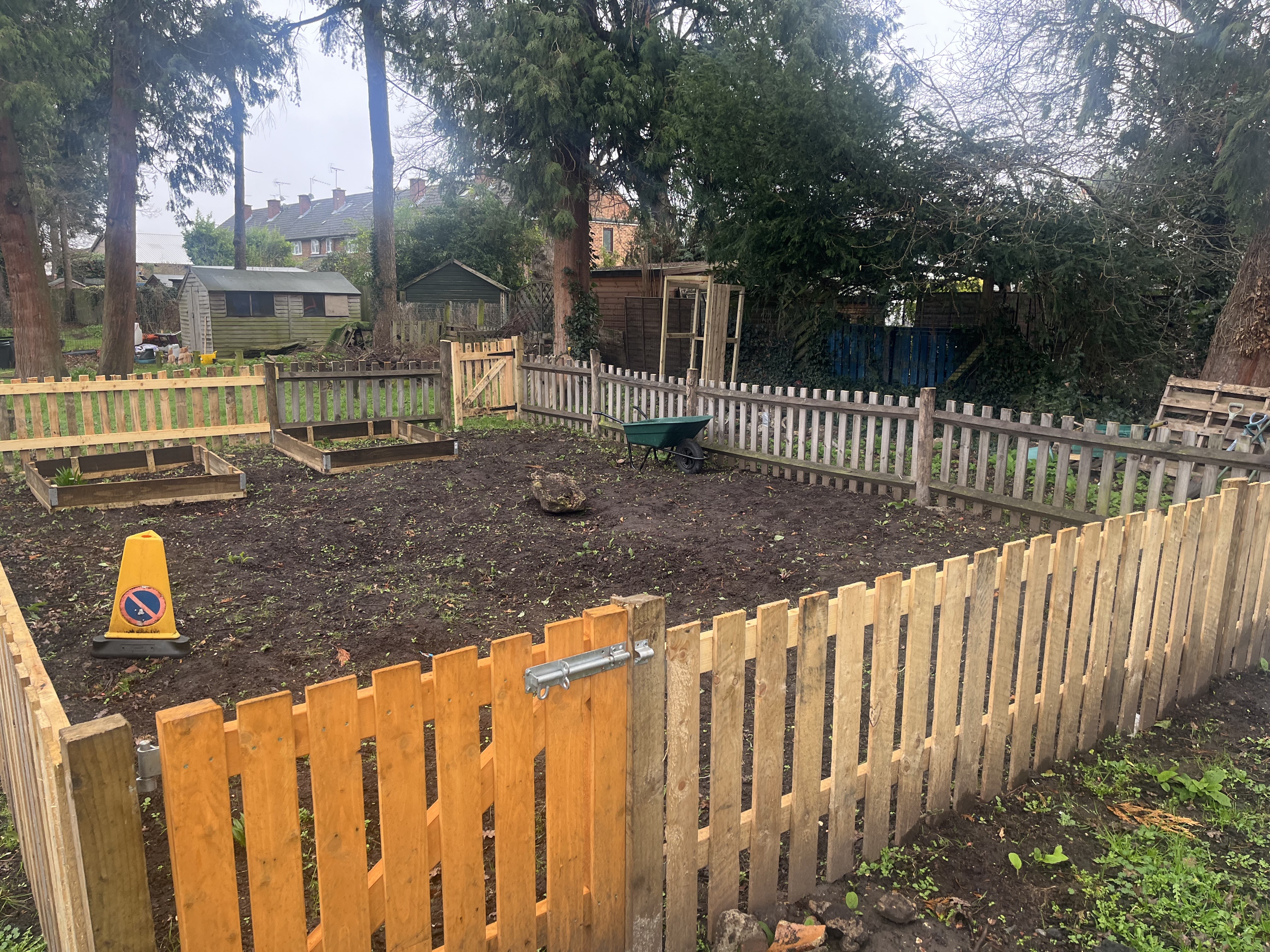
The project aims to create a school allotment that offers children hands-on outdoor learning and a chance to participate in all stages of developing and maintaining a growing space. A suitable grassy area at the front of the school will be transformed with recycled-material fencing, wooden planters, compost, and a polytunnel greenhouse for heat-loving vegetables. Seeds will be sourced sustainably through the village’s local seed-share scheme, allowing children to learn about food origins, plant growth, and healthy eating while connecting their practical work with classroom topics such as germination and environmental science.
Through planting, watering, weeding, and observing wildlife, children will develop patience, responsibility, and pride as they see the results of their efforts. The long-term, accessible design of the allotment ensures that pupils across all year groups can benefit for years to come. Parents will also be invited to take part, helping to build a sense of community and encouraging environmental conversations at home. Importantly, the project will offer meaningful access to green space for children who may not have gardens of their own, giving them a safe and engaging way to explore nature.

Freemantles School
Freemantles School, a special needs school in Surrey, places emotional wellbeing at the centre of its work and recognises the strong benefits of nature-based learning.
To enhance biodiversity and deepen students engagement with nature, the school plans to create wildlife corridors, add more bird feeders, and establish natural borders in the animal care area. They will also plant trees for shade and develop a wildlife pond using recycled materials, supported by new aquatic plants to help form a healthy ecosystem. These improvements will strengthen habitats for local wildlife while providing valuable outdoor learning opportunities for students during their weekly sessions.


Westfield Primary
The Friends of Westfield (FOW), the PTA and registered charity for Westfield Primary School, work to enrich pupils’ experiences by improving the school grounds and encouraging engagement with nature. Their active gardening group welcomes families of all backgrounds and skill levels, maintaining a wildlife garden with trees and a pond, as well as newly built raised beds for growing fruit, vegetables, herbs and pollinator-friendly plants. FOW now seeks funding to fill and plant the new beds and to continue developing their existing pollinator and herb areas, strengthening children’s understanding of food growing and the natural world.
They also aim to involve more teachers and classes in gardening activities, supported by a dedicated staff liaison to help integrate outdoor learning into the curriculum. Two community planting events will invite all pupils and families to take part in preparing beds, sowing seeds and potting on seedlings to take home, encouraging wider participation in the school’s gardening group. With a diverse school community, these activities will help introduce more families to gardening, foster connection with nature and ensure everyone can enjoy the school’s outdoor spaces.

